
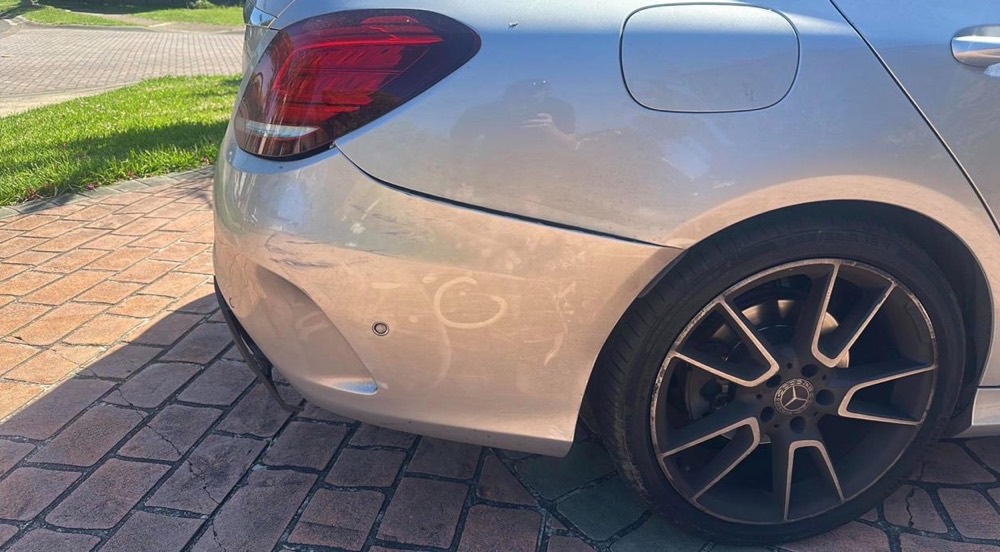
Mercedes-Benz C200Rear bumper corner pushed in
- Rear bumper cover$1,600
- Tail light$854
- Exhaust tip$614
- Parts
- $3,855
- Full repair
- $7,056
A lot of people pay for their own repair because they think claiming will cost more. Often it doesn't. Your excess plus a small premium rise can be a lot less than the full cost of fixing the car properly.
"It'll put your premium up." "It's only small, just pay for it yourself." You hear it from friends, and you often hear it on the phone to your insurer. It suits them. A claim you pay for yourself is a claim they never pay.
Many insurers also send cars to their own list of workshops. They call them network repairers, partner repairers, preferred repairers or approved repairers. The name changes, the idea is the same: a workshop that has agreed to the insurer's rates, which keeps the insurer's costs down. Many policies let you choose your own repairer instead. Check your policy, or read our choice of repairer guide.
Think about how long you've had car insurance. Five years? Ten? Twenty? Add up every premium you've paid in that time.
That money was for one thing: being covered when something happens. Then you have an accident, and you're told not to claim. If you never claim, what were you paying for?
Insurance isn't something to save for "a real accident". This is the accident. Check the numbers before you talk yourself out of using the cover you've paid for.
Claiming costs you your excess plus any premium rise. Paying yourself costs you the full repair, plus anything extra found once the car is stripped.
Example numbers to start: the average car insurance claim in Australia is about $6,266 (Insurance Council of Australia), a typical excess is $800 to $1,000, and $400 a year is about a 14% rise on the average NSW comprehensive premium. Change them to yours.
Claiming works out about $4,166 cheaper on these numbers.
Get the premium number from your insurer, not a guess. Get the repair number from a proper inspection, not a quick look in a car park.
A dent in a bumper looks small. Behind it there can be sensors, cameras, brackets and crash parts. A cheap quote often leaves these out. Repairing the car properly, to OEM repair methods, costs what it costs.
Four real cars we repaired, with the three most expensive parts on each. Look at what one headlight costs.
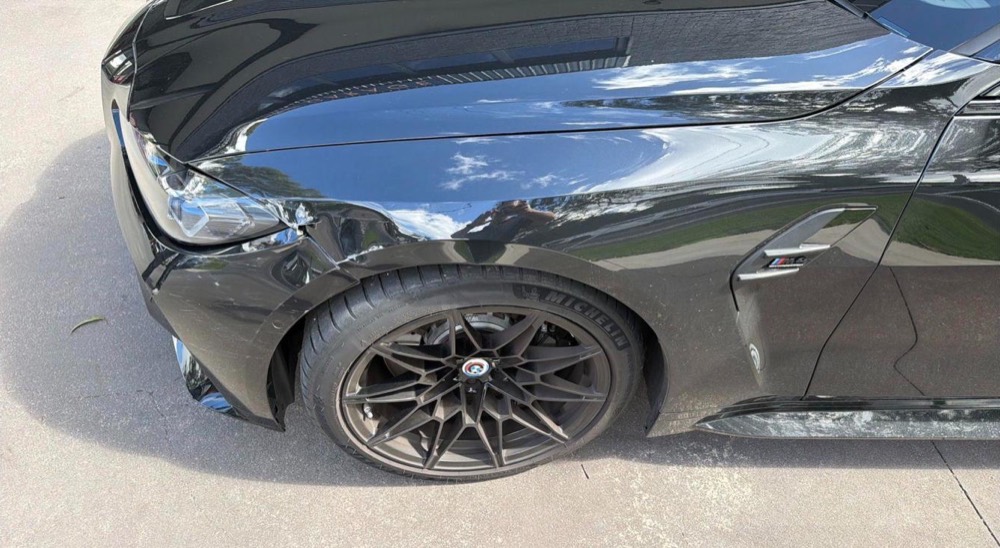
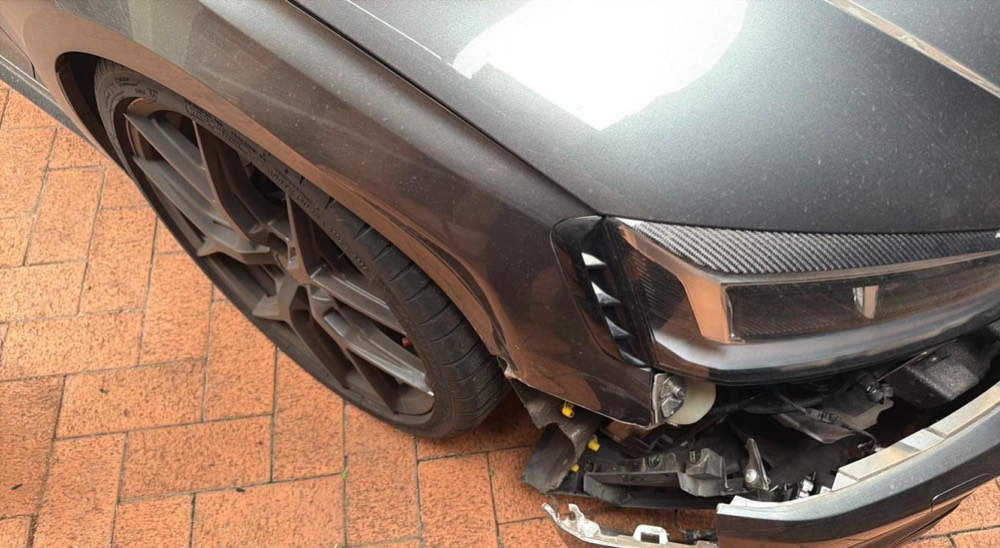
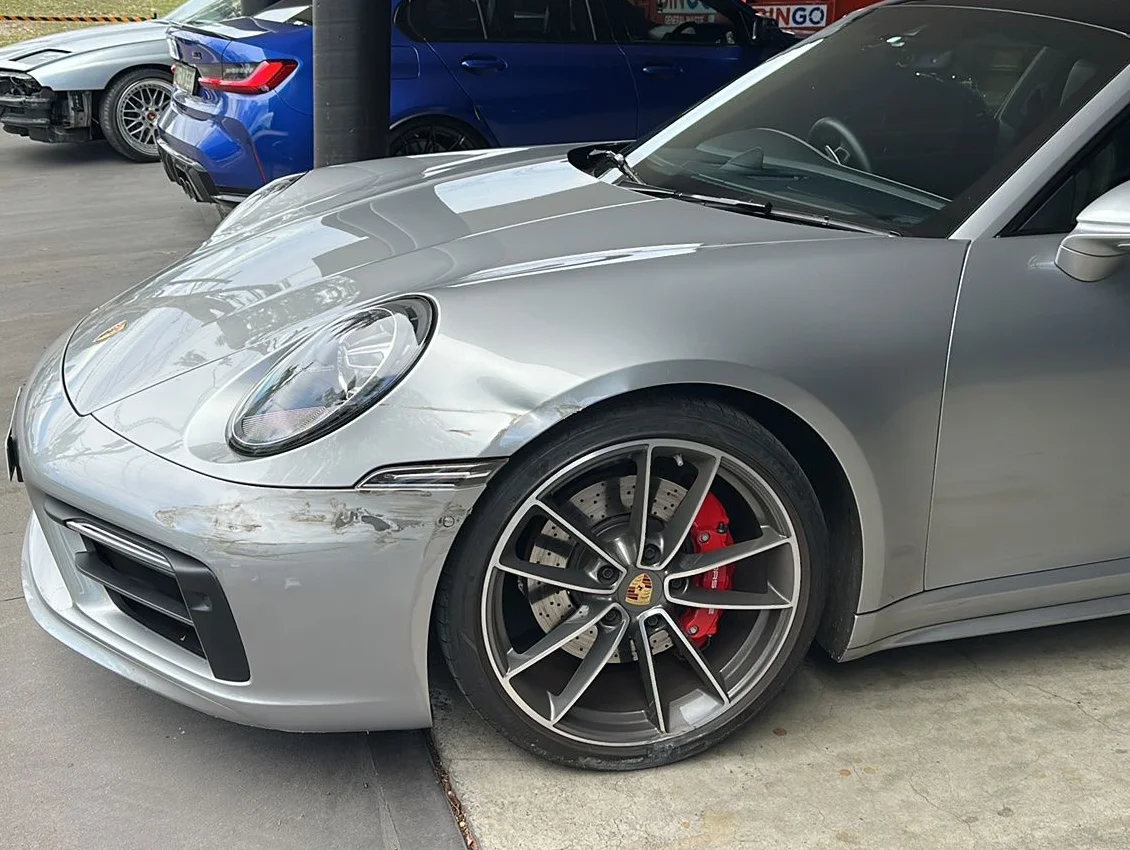
Amounts from our job records, including GST. Every car is different. On an insurance claim, you pay your excess, not these amounts.
Not your fault? You may be able to claim against the other driver's insurer instead. See our not at fault page.
Not always. It depends on your insurer, your policy, whether you were at fault and whether your no claim bonus is protected. Ask your insurer for the actual number before you decide. Don't guess.
Every claim costs your insurer money. A smaller claim you pay for yourself is a claim they never pay. That doesn't make the advice wrong for you, but it isn't neutral either. Run your own numbers.
They are different names for the same thing. Insurers call them network repairers, partner repairers, preferred repairers or approved repairers. It means a workshop that has agreed rates and terms with that insurer, which helps the insurer keep repair costs down. Many policies let you choose your own repairer instead. Check your policy wording, or ask your insurer: "Can I choose my own repairer?"
No, not for a normal repair. The written-off vehicle register only records cars an insurer declares a total loss. A car that is claimed and repaired is not added to it.
Not from the paperwork. A vehicle history check (PPSR) shows whether a car is a recorded write-off, has money owing or is reported stolen. It doesn't list normal accident repairs or insurance claims. What a buyer sees is the car itself, which is why the repair has to be done properly, to OEM repair methods.
You may be able to claim against the other driver's insurer. For verified eligible not at fault claims, no excess is paid to Diverse, and we can arrange towing and a replacement hire car where relevant. Bring the other driver's details and we will help you work out whether that pathway is viable.
Yes. Bring the car in. We inspect it, photograph it and give you a written quote. Then you have a real repair number to compare against your excess and premium.
General information only, not insurance or financial advice. Your policy decides how a claim affects your premium, excess and no claim bonus. You must still meet the notification and disclosure duties in your own policy.
Book a 5 to 10 minute assessment. We inspect the car and give you a written quote, so you can compare it with your excess and premium and decide.
Call usOld Toongabbie workshop assessment